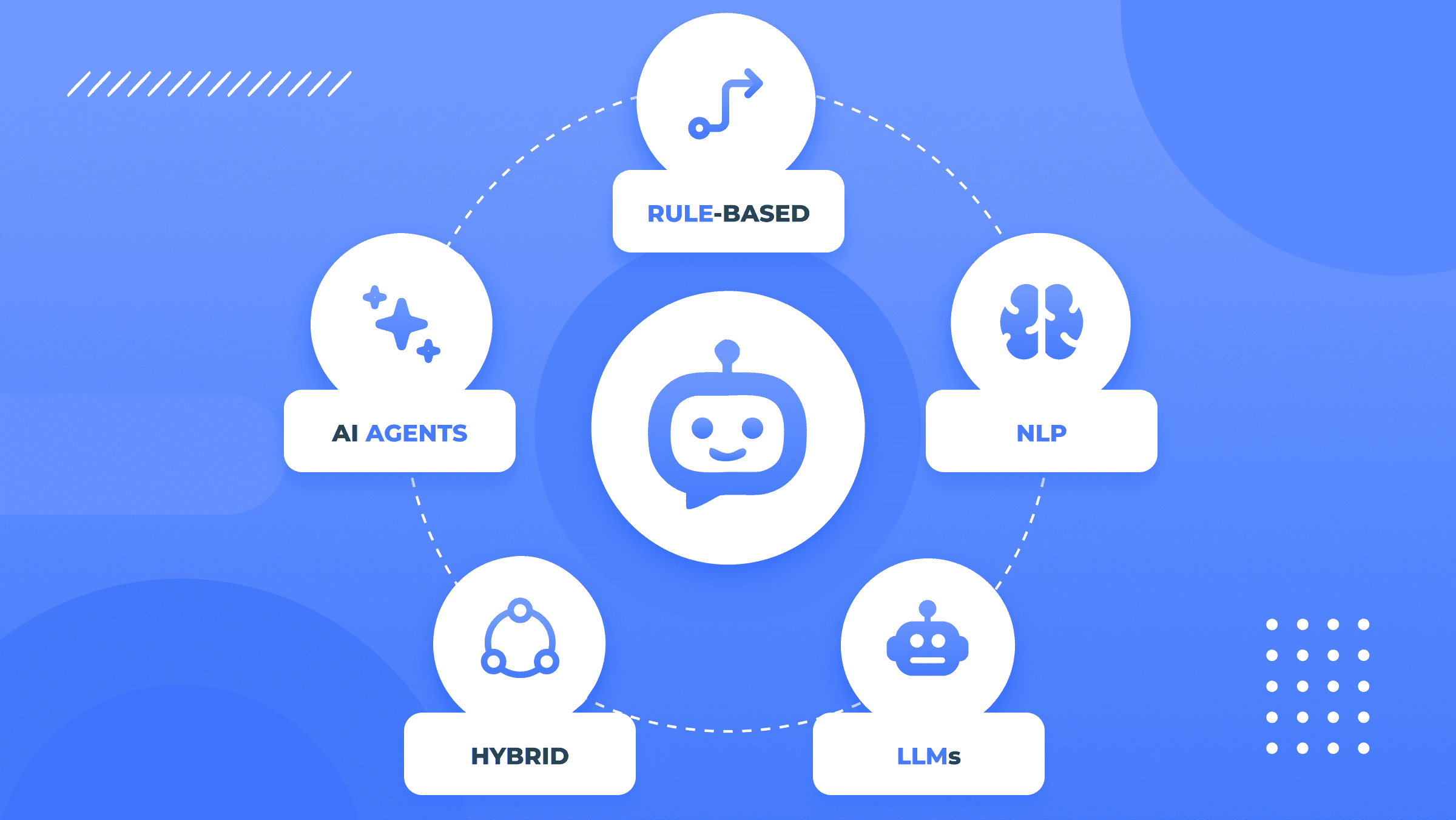
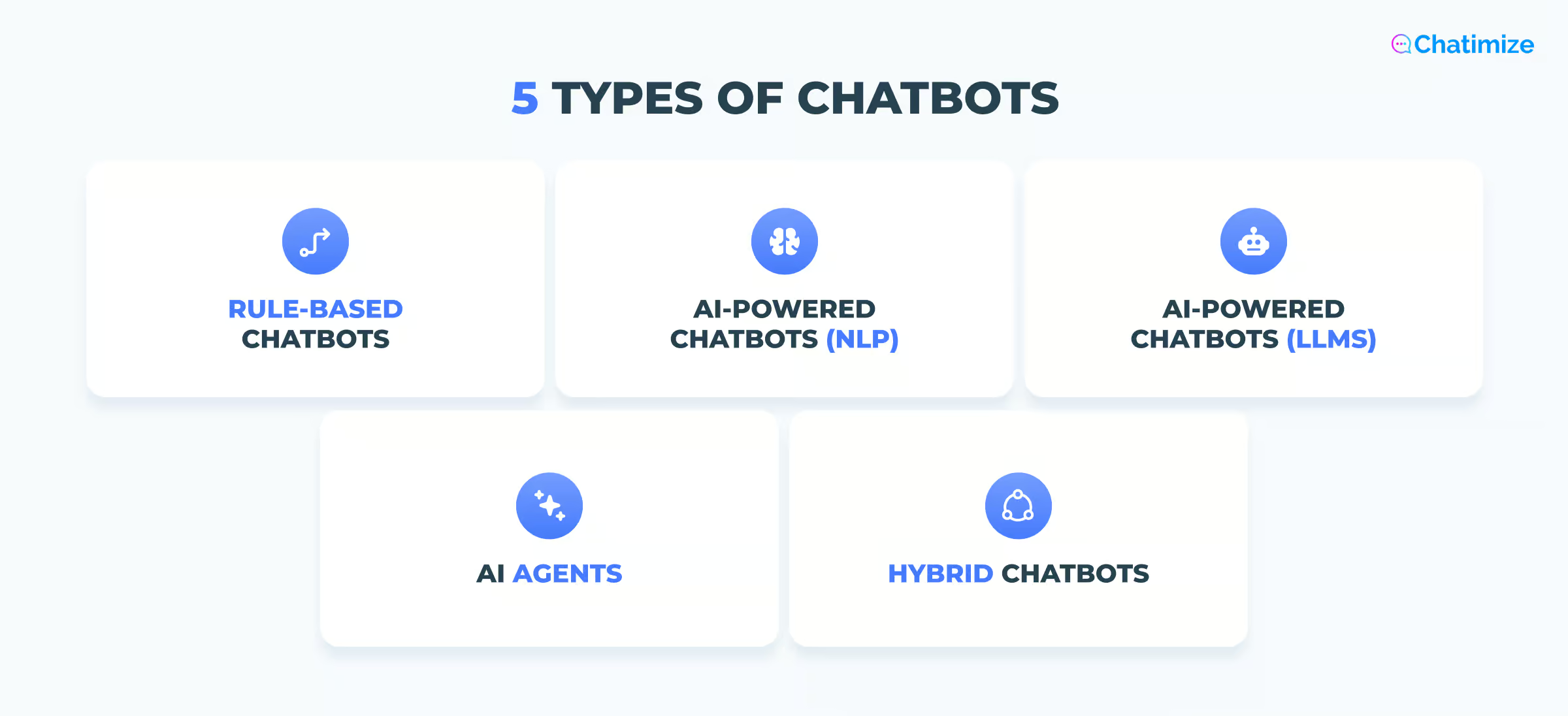
Best for: Generating leads & answering simple questions with predictable answers
Best platform: Manychat
Rule-based chatbots follow predefined rules to decide how they respond. When a user asks a question or performs an action, the chatbot checks for specific keywords or triggers. Then it launches the matching response or flow.
For example, here’s a flow that my client Shruti Pangtey used to automatically collect leads from Instagram. We set up a chatbot automation where when someone commented “CHECKLIST”, the automation starts a DM conversation:

Unlike AI chatbots, rule-based chatbots don’t understand intent or context. They only do what you explicitly tell them to do.
That makes them reliable for structured workflows and repeated questions. So that’s why they’re commonly used for:
- FAQ automation
- Lead generation
- Customer support
A good example is keyword trigger flows in Manychat. If a customer types “refund policy,” the chatbot can instantly launch a flow explaining the return process. If they type “pricing,” it can show pricing information or route them toward sales.
The main limitation is flexibility. Rule-based chatbots depend on the rules you create upfront. If users ask unexpected questions or phrase things in unfamiliar ways, the chatbot can struggle.
Pros
- Reliable and predictable responses
- Great for repetitive questions and structured workflows
- Gives businesses full control over conversation logic
- No advanced AI setup required
Cons
- Requires manual setup and ongoing maintenance
- You need to anticipate keywords, triggers, and conversation logic upfront
- Struggles with unexpected questions or different wording
To get started with Manychat, you can get my 100% discount code by clicking the button below:
Best for: Answering conversations where people may ask the same question in different ways
Best platform: Manychat
AI-powered chatbots use NLP (Natural Language Processing) to understand what users mean, not just which keywords they use.
So the chatbot doesn’t need an exact trigger like “pricing”. Instead, it can recognize that “How much does it cost?” or “What are your plans?” are asking the same thing.
These chatbots work differently from rule-based chatbots. Rule-based bots depend on predefined keywords or conditions. NLP chatbots understand the user’s intent.
It makes them better for conversations where users ask the same question in many different ways.
For example, Manychat has an intent recognition feature:
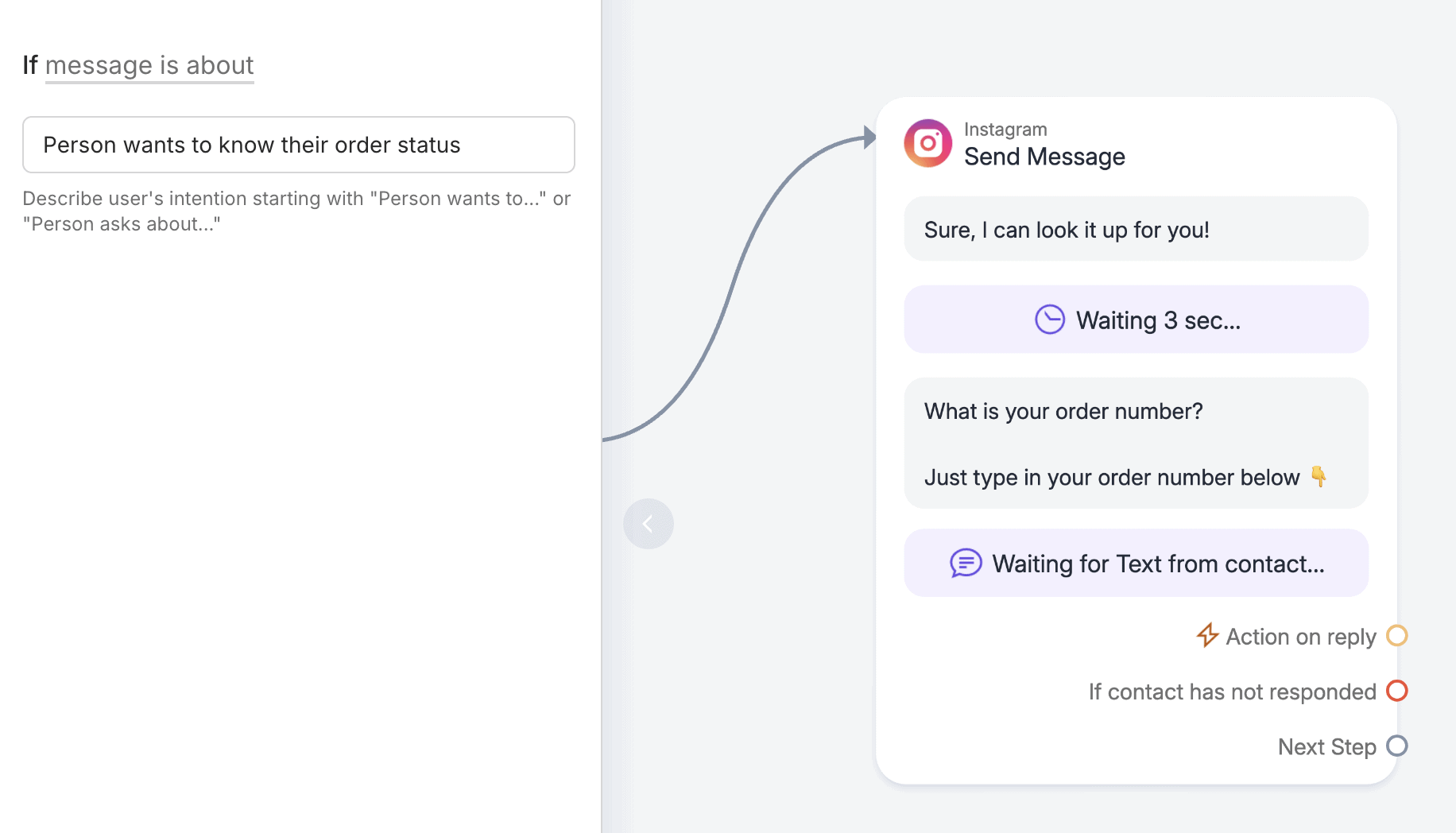
You don’t need separate keyword rules for every wording variation. You can train the chatbot to recognize an intent like “book appointment” or “order status,” even when users phrase it differently.
The drawback is that they can sometimes give inaccurate responses. NLP chatbots are more flexible than rule-based bots. But they can still occasionally misunderstand intent. This is especially true when questions are:
- Vague
- Complex
- Outside the scenarios they were trained for
Pros
- Understands intent instead of relying on exact keywords
- Handles wording variations naturally
- Great for customer support
- Reduces the number of manual rules you need to build
Cons
- Can misunderstand user intent
- Requires training and testing for good accuracy
- Less predictable than pure rule-based systems
To get started with Manychat, you can get my 100% discount code by clicking the button below:
Best for: Acting like an expert team member that answers detailed questions and gives personalized responses
Best platform: Chatbase
There are two key differences between NLP chatbots and LLM chatbots.
First, you can train an LLM chatbot on your own business information, such as:
- Your website
- FAQ documents
- Help center articles
This allows the chatbot to understand what your business does. Then, it can answer questions based on your specific information.
Second, LLM chatbots understand context across an entire conversation, not just a single message. That means they can follow the flow of a discussion and provide more natural, relevant responses.
For example, in Chatbase, you can just upload a document or add website URLs:

And then once it’s trained on your data (it takes less than 2 minutes), it can automatically answer questions about it:

The tradeoff is control. Because responses are generated dynamically, LLM chatbots can sometimes misunderstand information. They might also miss important details.
Also, they might give answers that are technically correct, but not exactly how your business wants them phrased.
Pros
- Understands conversation context, not just single messages
- Can answer open-ended questions naturally
- Learns from your documents, website, or knowledge base
- Reduces the need for complex flows and manual rules
- Faster to create
Cons
- Less predictable than rule-based or NLP chatbots
- Depends heavily on the quality of your training data
- Requires testing and monitoring to keep answers accurate
Best for: Taking action and completing tasks instead of just answering questions
Best platform: Tidio
AI agents take chatbot automation a step further. Instead of just answering questions, they can take actions on behalf of the user.
That’s the key difference from LLM chatbots. An LLM Chatbot might explain that there’s an order status page on the website. An AI agent can actually:
- Look up the order status
- Get the latest information
- Provide the answer automatically
The same applies to tasks like booking appointments, updating CRM records or creating support tickets.
A good example comes from my client Burker, a women’s watch and jewelry brand. We used Tidio‘s Lyro AI agent to automatically handle customer service conversations, including order status questions.
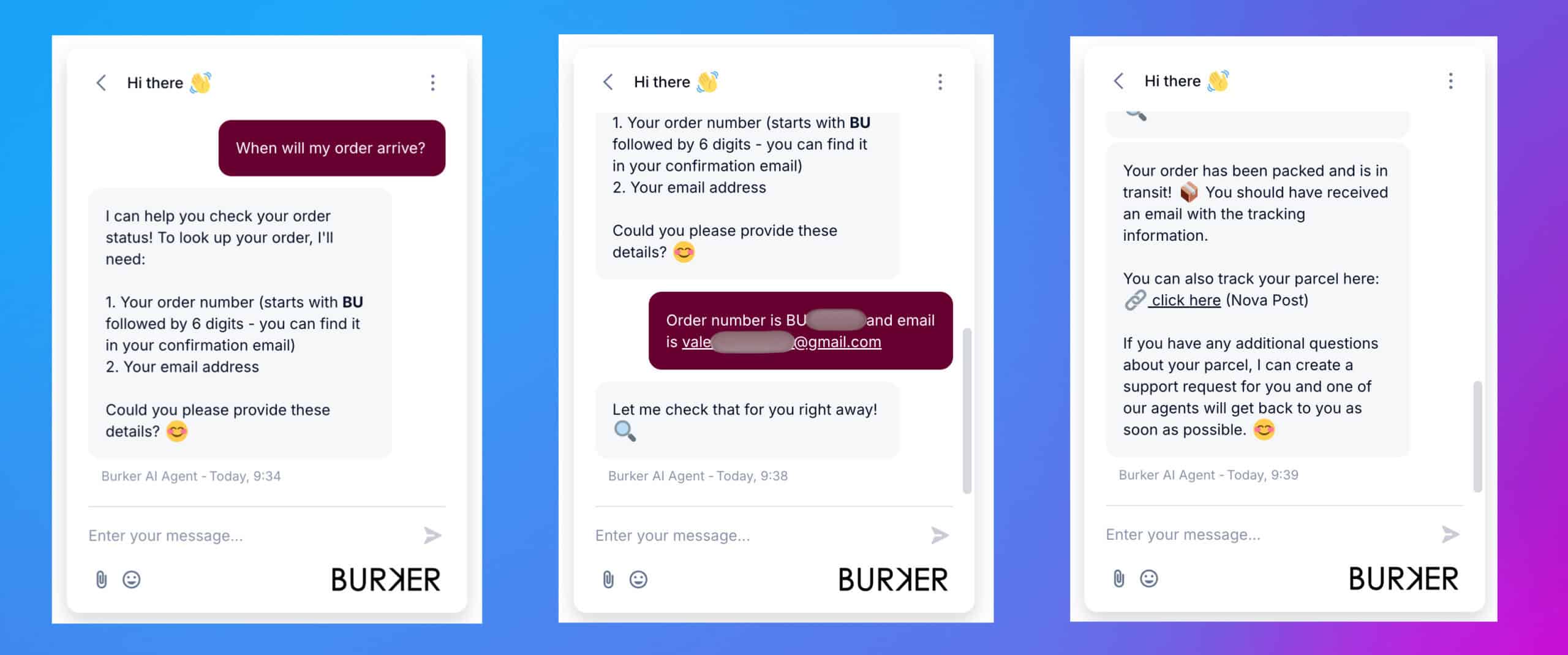
During one month, the AI agent resolved 80% of over 10,000 customer conversations without human involvement.
The main limitation is complexity. AI agents need access to your systems and processes to take meaningful actions. That means setup is usually more involved than with rule-based, NLP, or LLM-powered chatbots.
Pros
- Can take actions instead of only answering questions
- Automates repetitive support and operational tasks
- Integrates with business tools like CRMs, calendars, and help desks
- Can significantly reduce the workload on support teams
Cons
- More complex to set up and maintain
- Usually requires integrations with other systems
- Mistakes can have bigger consequences when actions are automated
- Often more expensive than traditional chatbots
You can get my 20% discount on any Tidio plan by clicking the button below:
Best for: Combining structured flows with flexible AI conversations
Best platform: Manychat + Relevance AI
Hybrid chatbots combine rule-based flows with AI capabilities. Instead of relying entirely on rules or entirely on AI, they use both approaches together.
The practical advantage is control. Rules handle predictable interactions where you want a specific outcome. And AI steps in when users ask unexpected questions or need more flexible assistance.
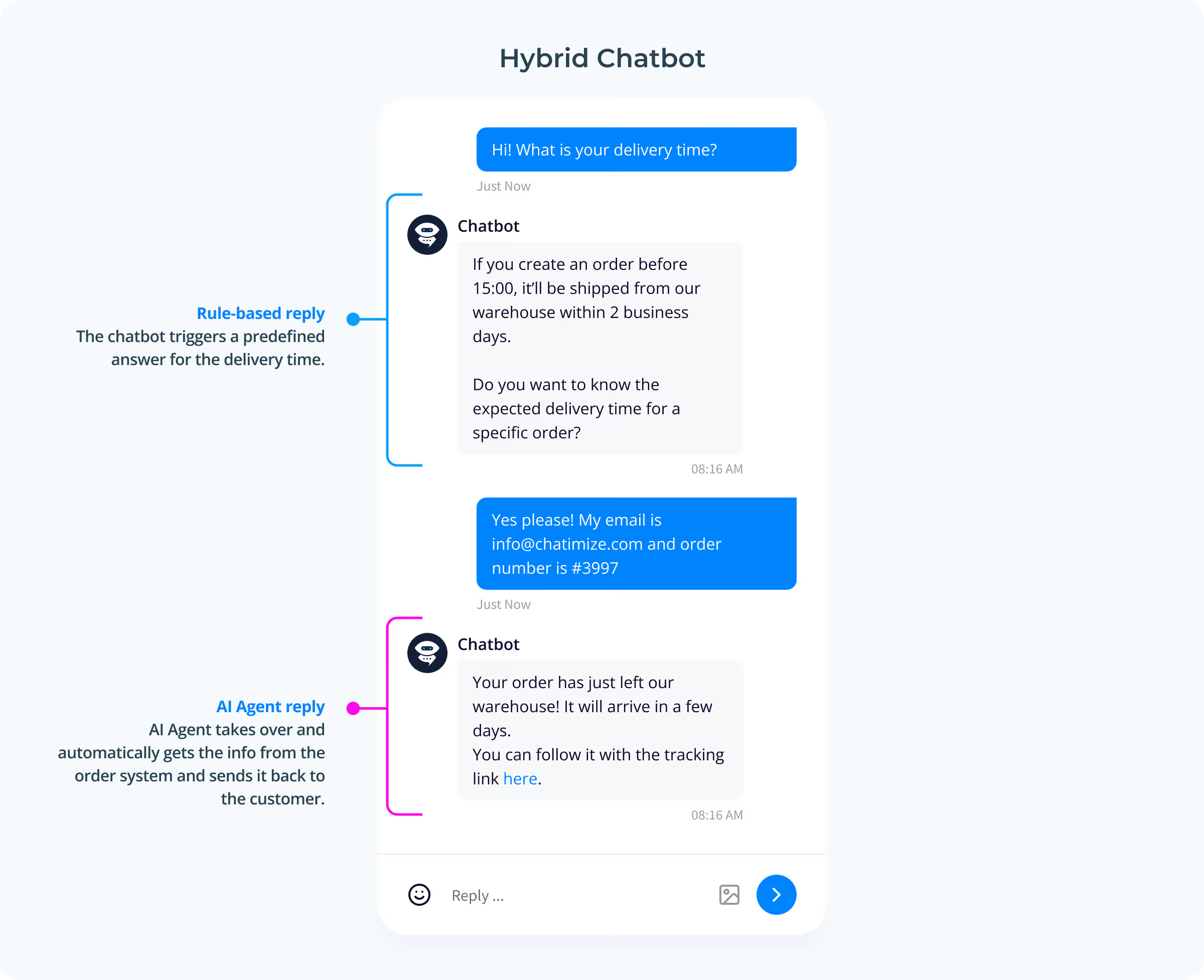
This lets you create structured customer journeys without forcing conversations into rigid scripts.
A good example is using Manychat for comment-to-DM automation and lead capture, while connecting it to Relevance AI for open-ended questions. That way:
- The flow builder handles tasks like collecting contact information or qualifying leads
- The AI handles questions that fall outside the predefined flow
The tradeoff is that it can be complex. You’re combining multiple systems. So hybrid chatbots require more planning, testing, and maintenance than using a single approach.
You also have chatbot platforms where you just need one platform to create a hybrid chatbot. But my experience is that most platforms are good at one thing. They’re good at either rule-based flows or AI, but typically not both.
However, for many businesses, that tradeoff is worth it because they get both reliability and flexibility.
Pros
- Combines the reliability of rules with the flexibility of AI
- Gives you control over key customer journeys
- Handles both structured and open-ended conversations
- Well suited for marketing, sales, and support use cases
Cons
- More complex than a single approach
- May require multiple tools or integrations
- Takes longer to test and optimize
- Can become difficult to manage as workflows grow
To get started, click on the buttons below. For Manychat, you can also get my 100% discount code: